
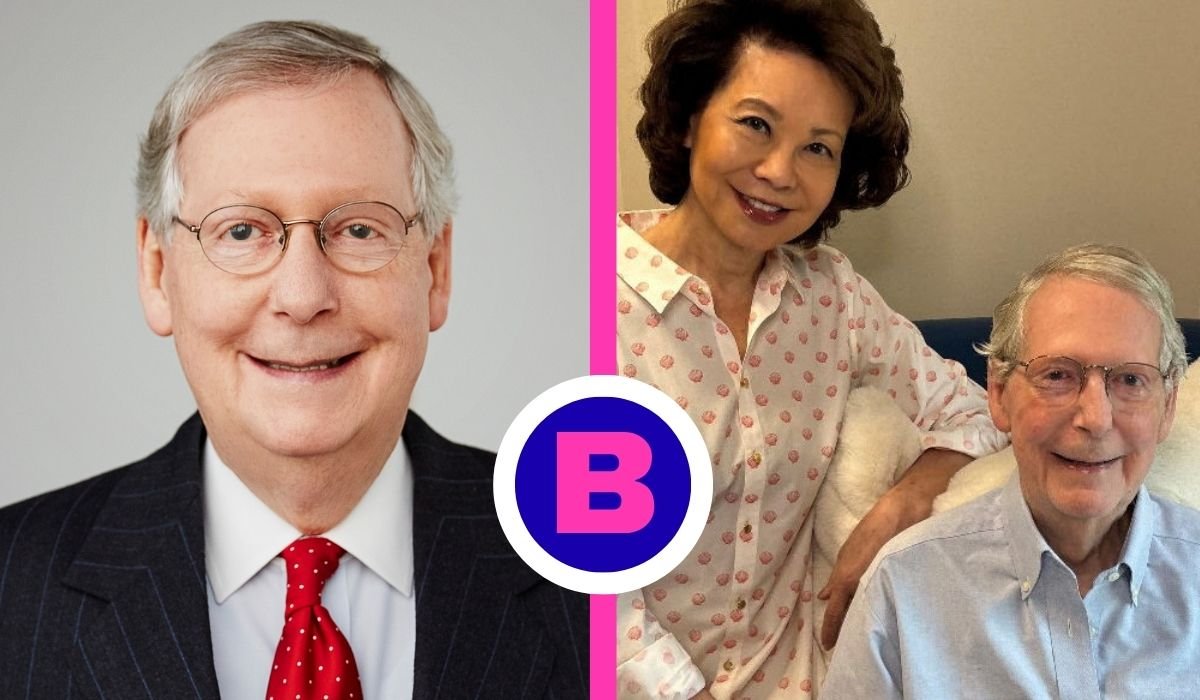
Mitch McConnell Is One Of The Most Influential Figures In Modern American Politics. Known For His Long Career In The United States Senate, His Leadership Of Senate Republicans, And His Strategic Approach To Lawmaking, He Has Played A Major Role In Shaping The Republican Party And The Federal Judiciary. His Political Journey Spans Several Decades, Covering Changing Presidential Administrations, Major Legislative Battles, And Some Of The Most Divisive Moments In Recent American History.
Born Addison Mitchell McConnell III On February 20, 1942, In Sheffield, Alabama, He Built His Career Through Education, Legal Work, Local Government, And National Politics. He Became A U.S. Senator From Kentucky In 1985 And Later Served As Senate Majority Leader From 2015 To 2021. He Also Led Senate Republicans As Minority Leader Before And After His Time In The Majority.
The Story Of Mitch McConnell Is About More Than Political Longevity. It Is Also About His Understanding Of Senate Rules, His Influence On Supreme Court Appointments, His Relationship With Presidents, And The Debates Surrounding His Leadership. Understanding His Background Helps Explain How He Became Such A Powerful Figure In Washington And Why His Political Legacy Remains A Subject Of Discussion.
Quick Bio Information: Mitch McConnell
American Politician and Republican Senator
Mitch McConnell is a longtime U.S. senator from Kentucky who served as both Senate majority leader and minority leader.
Full Name
Addison Mitchell McConnell III
Known As
Mitch McConnell
Date Of Birth
February 20, 1942
Age
84 years old (as of October 2026)
Birthplace
Sheffield, Alabama, United States
Nationality
American
Political Party
Republican Party
Profession
Politician, Attorney
Education
University of Louisville; University of Kentucky College of Law
Bachelor’s Degree
Political Science
Law Degree
Juris Doctor (J.D.)
U.S. Senate Career
Began January 3, 1985
State Represented
Kentucky
Senate Majority Leader
2015–2021
Senate Minority Leader
2007–2015 and 2021–2025
First Wife
Sherrill Redmon
Current Wife
Elaine Chao
Marriage To Elaine Chao
1993
Children
Three, from his first marriage
Known For
Senate leadership, judicial nominations, and Republican legislative strategy
Early Life And Family Background
Mitch McConnell Was Born To Julia Odene “Dean” Shockley And Addison Mitchell “A.M.” McConnell II. Although He Was Born In Alabama, His Childhood Included Several Moves Before His Family Settled In Louisville, Kentucky. His Father Served In The U.S. Army, Which Led The Family To Live In Georgia For A Period. These Early Experiences Formed The Background To His Later Education And Entry Into Kentucky Politics.
One Of The Most Important Events Of McConnell’s Childhood Was His Battle With Polio. In 1944, When He Was Two Years Old, The Illness Paralyzed His Upper Left Leg. He Received Treatment At The Roosevelt Warm Springs Institute For Rehabilitation In Georgia. According To Biographical Accounts, The Treatment Helped Him Avoid More Serious Long-Term Disability. His Family Faced Considerable Financial Pressure During His Recovery, A Challenge McConnell Later Recalled. This Experience Is An Important Part Of His Personal Story, Although It Should Not Be Assumed To Have Determined His Later Political Views.
Education And Political Interests
McConnell Attended DuPont Manual High School In Louisville And Became Student Council President During His Junior Year. He Later Studied Political Science At The University Of Louisville, Graduating With Honors In 1964. His University Years Gave Him Opportunities To Develop Leadership Skills And Learn About Government, Elections, And Political Institutions.
His Interest In Public Service Grew Through Direct Political Experience. In 1963, He Attended The March On Washington For Jobs And Freedom, Where Martin Luther King Jr. Delivered His Famous “I Have A Dream” Speech. The Following Year, McConnell Participated In Civil Rights Rallies And Interned With Republican Senator John Sherman Cooper. McConnell Later Identified His Experience With Cooper As An Influence On His Decision To Pursue A Senate Career. In 1967, He Earned His Law Degree From The University Of Kentucky College Of Law, Where He Served As President Of The Student Bar Association.
Early Career Before The Senate
After Law School, McConnell Entered The U.S. Army Reserve In 1967. His Military Service Was Brief. He Began Training At Fort Knox In July And Was Medically Separated In August After Being Diagnosed With Optic Neuritis And Deemed Unfit For Continued Service. This Period Has Sometimes Been Discussed During Election Campaigns, But The Basic Biographical Record Describes A medical separation rather than a lengthy military career.
From 1968 To 1970, McConnell Worked As Chief Legislative Assistant To Senator Marlow Cook In Washington, D.C. His responsibilities included helping with legislative matters, speechwriting, and constituent services. He returned to Kentucky in 1971, worked on a gubernatorial campaign, practiced law, and taught a political science class at the University Of Louisville. During The Ford Administration, He Returned To Washington And Worked In The Department Of Justice, Including As Acting Assistant Attorney General For Legislative Affairs In 1975. These Positions Introduced Him To Government Operations And The Practical Work Of Building Political Support.
His Rise In Kentucky Politics
McConnell’s First Major Elected Office Was Jefferson County Judge/Executive, A Leading Local Government Position In The Louisville Area At The Time. He Won The Election In 1977 By Defeating Democratic Incumbent Todd Hollenbach III. He Won Reelection In 1981, Demonstrating His Ability To Compete Successfully In Kentucky Politics. The Office Gave Him Experience In local administration, public budgets, and political campaigning.
His ambition, however, extended beyond local government. In 1984, McConnell challenged Democratic U.S. Senator Walter Dee Huddleston. McConnell won the race and began serving in the Senate on January 3, 1985. His victory marked the start of a national political career that would eventually last for decades. Rather than becoming a prominent leader overnight, he built influence gradually by learning Senate procedures, developing relationships, and gaining experience in electoral politics.
A Long Career In The U.S. Senate
As A Senator From Kentucky, McConnell Served Through Administrations Led By Both Democratic And Republican Presidents. His Long Tenure Gave Him A Central Role In Debates Over Taxation, Government Regulation, Judicial Appointments, National Spending, And The Balance Of Power Between Congress And The White House. He Became Kentucky’s Senior Senator In 1999 And Established A Reputation As A Politician Who Paid Close Attention To Senate Rules And Party Strategy.
McConnell’s Approach Often Focused On Legislative Timing, Party Unity, And The Rules That Determine Which Measures Reach A Vote. These Skills Became Especially Important As Political Divisions Increased In Washington. His Supporters Saw Him As A Disciplined Strategist Who Understood How To Deliver Results For His Party. Critics Argued That His Tactics Contributed To Gridlock And Made Bipartisan Cooperation More Difficult. Both Views Help Explain Why His Senate Career Became So Influential And Controversial.
Mitch McConnell As Senate Majority Leader
In January 2007, McConnell Became Senate Minority Leader, Making Him The Leading Republican Voice In The Chamber. When Republicans Gained Control Of The Senate Following The 2014 Midterm Elections, He Became Majority Leader In January 2015. He Held The Position Until January 2021, When Democrats Regained The Majority. He Then Returned To The Minority Leadership And Continued Leading Senate Republicans Until January 2025. His Long Leadership Tenure Made Him One Of The Most Significant Party Leaders In Senate History.
As Majority Leader, McConnell Helped Set Legislative Priorities And Managed The Senate’s Schedule, Negotiations, And Confirmation Process. His Leadership Was Especially Important During Donald Trump’s First Presidency, When Republicans Controlled The Senate And Sought To Advance Conservative Policies. McConnell’s Strength Was His Knowledge Of Senate Procedure And His Ability To Keep His Party Focused On Specific Goals. His Critics, However, Frequently Accused Him Of Prioritizing Party Advantage Over Bipartisan Cooperation. His Career Demonstrates How Much Influence A Senate Leader Can Exercise Without Holding The Presidency.
Major Laws And Legislative Achievements
Several Important Laws Passed During McConnell’s Time As Senate Majority Leader. The Tax Cuts And Jobs Act Of 2017 Made Major Changes To Federal Taxes, Including Lowering The Corporate Income Tax Rate And Temporarily Reducing Individual Income Tax Rates. Supporters Argued That The Law Would Encourage Investment And Economic Growth, While Critics Questioned Its Distributional Effects And Long-Term Impact On Federal Deficits.
In 2018, Congress Passed The Economic Growth, Regulatory Relief, And Consumer Protection Act, Which Changed Certain Banking Regulations. The First Step Act, Also Enacted In 2018, Introduced Federal Criminal Justice Reforms, Including Changes To Some Sentencing Rules And Programs Intended To Support Rehabilitation. In 2020, The Great American Outdoors Act Provided Major Conservation Funding And Addressed Maintenance Needs In National Parks And Other Public Lands. These Laws Had Different Goals, But Together They Show The Range Of Policy Areas Addressed During McConnell’s Leadership. Their Passage Involved Many Lawmakers And The Presidential Administration, So They Should Be Understood As Collective Legislative Achievements Rather Than The Work Of One Person Alone.
His Influence On Supreme Court Appointments
McConnell’s Role In Federal Judicial Appointments Became One Of The Most Lasting Parts Of His Political Legacy. In 2016, During Barack Obama’s Presidency, Supreme Court Justice Antonin Scalia Died. Obama Nominated Merrick Garland To Fill The Vacancy, But McConnell And Senate Republicans Declined To Hold A Confirmation Hearing Or Vote, Arguing That The Next President Should Make The Appointment. Critics Viewed The Decision As An Unprecedented Use Of Political Power, While Republicans Defended It As A Legitimate Exercise Of Senate Authority.
When Donald Trump Became President, McConnell Helped Advance The Confirmations Of Neil Gorsuch In 2017, Brett Kavanaugh In 2018, And Amy Coney Barrett In 2020. In 2017, The Republican Senate Also Changed Its Rules To Remove The 60-Vote Threshold For Ending Debate On Supreme Court Nominations. This Followed A 2013 change by Democrats that had eliminated the same threshold for most other presidential nominations. The change made it easier for a simple Senate majority to confirm Supreme Court nominees. These decisions reshaped the federal judiciary and remain central to discussions about McConnell’s influence on American law and government.
Political Views And Republican Priorities
McConnell Is A Conservative Republican Whose Political career has focused on lower taxes, limits on federal regulation, conservative judicial appointments, and advancing Republican policy goals. Earlier In His Career, He Was Often Described As A Pragmatic Politician, But His Later Leadership Became Closely Associated With A More Partisan Era In Congress. He Has Also Been A Prominent Opponent Of Stricter Campaign Finance Regulations.
His Position On Campaign Finance Became Particularly Important In The Debate Surrounding Citizens United V. Federal Election Commission, The 2010 Supreme Court Decision That Protected Certain Independent Political Spending Under The First Amendment. The Ruling Was Not A Personal Achievement By McConnell, But His Longstanding Opposition To Campaign Finance Restrictions Aligned With The Broader Legal And Political Debate That Followed It. Supporters Of His Approach Often Emphasize Political Speech And Limited Government Intervention. Critics Argue That The Campaign Finance System Allows Wealthy Individuals And Organizations To Exercise Excessive Influence. Understanding These Disagreements Helps Explain The Broader Context Of McConnell’s Political Views.
His Relationships With Barack Obama And Donald Trump
McConnell’s Relationship With Barack Obama Was Marked By Strong Political Opposition. During Obama’s Presidency, Senate Republicans resisted several major Democratic initiatives, and McConnell used Senate procedures to challenge the administration’s legislative agenda. The dispute over Merrick Garland’s Supreme Court nomination became one of the clearest examples of the conflict between the two parties. Supporters Of McConnell Viewed His Actions As Effective Opposition, While Critics Saw Them As A Source Of Institutional Gridlock.
His Relationship With Donald Trump Was More Complicated. McConnell Supported Many Of Trump’s Domestic And Judicial Priorities And Helped Advance Tax Legislation And Supreme Court Confirmations. However, Their Relationship Was Strained By Trump’s Efforts To Challenge The Results Of The 2020 Presidential Election. After The January 6, 2021, Attack On The U.S. Capitol, McConnell Condemned The Violence And Said Trump Was Practically And Morally Responsible For The Events. Nevertheless, McConnell Voted To Acquit Trump During The Senate Impeachment Trial, Citing Constitutional Concerns About Trying A Former President After Leaving Office. This Combination Of Political Cooperation And Public Disagreement Revealed The Tensions Between Republican Party Leadership And Trump’s Personal Political Movement.
Major Controversies And Public Criticism
McConnell’s Leadership Has Generated Significant Criticism, Especially Over His Use Of Senate Rules And His Approach To Judicial Nominations. Democrats And Other Critics Have Argued That His Opposition To Legislation And His Willingness To Block Or Delay Nominations Contributed To Political Stalemate. The Garland Decision, In Particular, Became A Major Point Of Debate Because It Left A Supreme Court Vacancy Unfilled Until A New President Took Office.
His Supporters Offer A Different Interpretation. They Argue That Senate Leaders Have A Responsibility To Protect Their Party’s Policy Goals, Use Available Rules, And Prevent Measures They Oppose From Advancing. This Disagreement Reflects A Larger Question About The Purpose Of Congress: Should Political Leaders Prioritize Negotiation And Compromise, Or Should They Focus On Delivering Results For The Voters Who Elected Their Party? McConnell’s Career Has Brought That Question Into Sharp Focus. A Balanced Assessment Should Recognize His Political Effectiveness While Also Examining The Institutional Consequences Of His Decisions.
Mitch McConnell’s Wife And Family Life
McConnell Married Sherrill Redmon In 1968, And Their Marriage Ended In Divorce In 1980. They Have Three Children. Redmon Later Developed Her Own Professional Career, Including Work Connected With Women’s History And Archives. Although McConnell’s political life has received extensive public attention, comparatively little of his family’s private life needs to be included in a responsible biography.
In 1993, McConnell Married Elaine Chao, An Experienced Public Servant Who Later Held Two Cabinet Positions. Chao Served As U.S. Secretary Of Labor Under President George W. Bush And As U.S. Secretary Of Transportation During Trump’s First Administration. Her Career Has Included Leadership In Government And Business, Giving The Couple Two Distinct But Interconnected Public Careers. Their Marriage Is Often Mentioned In Political Profiles, Yet Chao’s professional achievements should be discussed in their own right rather than treated solely as an extension of her husband’s career.
Health Challenges And Later Years In Public Service
McConnell’s Health Story Began In Childhood With His Recovery From Polio. Decades Later, Public Episodes Involving His Health drew attention to the physical demands of continuing in high office. Such developments became a subject of public discussion because senators vote on legislation, participate in committees, and represent their states in national decisions. At The Same Time, Personal Health Information Should Be Described Carefully, Using Confirmed Reporting Rather Than Speculation.
The Supplied Biographical Account Reports That McConnell Experienced A Fall In 2026, Followed By Hospitalization And Rehabilitation, And That He Returned To Senate Voting In September. These Specific Recent Details Should Be Verified Against Current Senate Records And Reliable News Coverage Before Publication. His Health History Is Relevant To Understanding His Later Public Service, But It Should Not Be Used To Make Unsupported Claims About His Medical Condition Or Ability To Work.
Stepping Down From Republican Leadership
On February 28, 2024, McConnell Announced That He Would Step Down As Senate Republican Leader In January 2025 While Continuing To Serve In The Senate. Republican Senators Subsequently Chose John Thune Of South Dakota To Succeed Him. The Transition Ended McConnell’s Long Period At The Head Of His Party’s Senate Conference, But It Did Not Immediately End His Role As A Senator.
On February 20, 2025, McConnell Announced That He Would Not Seek An Eighth Senate Term In 2026. The Decision Marked The Beginning Of The Final Stage Of A Congressional Career That Started In 1985. It Is Important To Distinguish Between Leaving A Leadership Position And Leaving The Senate: The First Happened In January 2025, While His Announcement About The 2026 Election concerned his decision not to seek reelection. His actual service status and the end date of his term should be checked against official records for any article published in late 2026.
Recognition And Political Influence
McConnell’s influence has been recognized beyond Washington. Time Magazine Included Him In Its List Of The World’s 100 Most Influential People In 2015, 2019, And 2023. These Recognitions Reflected His Position As A Major Figure In Republican Politics And His Ability To Affect The Direction Of Congress And The Federal Judiciary.
His influence is best understood through his actions rather than rankings alone. He helped guide legislation, shaped the Senate’s response to presidential nominations, and played a central role in confirming federal judges. He also helped establish political strategies that future Senate leaders may study, whether they admire or criticize his methods. His record demonstrates that Senate leadership can shape national policy for years, even when a leader does not hold executive office.
Mitch McConnell’s Legacy
Mitch McConnell’s Legacy Is Closely Tied To His Ability To Use Senate Procedure And Party Leadership To Achieve Long-Term Political Goals. His supporters point to tax legislation, criminal justice reform, conservation funding, and judicial appointments as evidence of his effectiveness. They also credit him with maintaining Republican unity during periods of intense political conflict.
Critics, By Contrast, Argue That His Approach Increased Partisanship And Reduced Opportunities For Compromise, Particularly Through The Handling Of Supreme Court Nominations And The Use Of Legislative Procedures To Block Opposing Priorities. Both Perspectives Form Part Of The Public Record. His Place In American Political History Will Depend Not Only On The Laws Passed During His Leadership But Also On The Institutional Practices And Political Expectations That His decisions helped establish.
Final Thoughts
Mitch McConnell’s Life And Career Offer A Clear Example Of How Political Experience, Knowledge Of Congressional Procedure, And Party Leadership Can Shape American Government. From His Childhood Battle With Polio And His Education In Kentucky To His Long Senate Career, He Built A Public Record That Reached Far Beyond His Home State.
His Greatest Influence Came Through Senate Leadership, Legislation, And Federal Judicial Appointments. His Role In Confirming Supreme Court Justices Will Likely Remain One Of The Most Lasting Parts Of His Legacy, While His Approach To Political Opposition And Senate Rules Will Continue To Generate Debate.
For Some Americans, McConnell Represents Effective Conservative Leadership And Strategic Political Skill. For Others, His Methods Illustrate The Costs Of Partisanship And The Challenges Of Reaching Agreement In A Divided Congress. A Complete Understanding Of Mitch McConnell Requires Looking At Both Perspectives And Examining The Decisions That Defined His career.
Ultimately, His Place In American Political History Will Be Measured By More Than The Offices He Held. It Will Also Depend On The Laws He Helped Pass, The Courts He Helped Shape, And The Long-Term Effects Of His Leadership On The Senate And The country it serves.
Frequently Asked Questions About Mitch McConnell
Who Is Mitch McConnell?
Mitch McConnell Is An American Republican Politician And Attorney Who Began Representing Kentucky In The U.S. Senate In January 1985. He Became One Of The Most Influential Senate Leaders In Modern American History, Serving As Majority Leader From 2015 To 2021 And Leading Senate Republicans Until January 2025.
How Old Is Mitch McConnell?
Mitch McConnell Was Born On February 20, 1942. He Turned 84 In February 2026. His Birthplace Is Sheffield, Alabama, Although He Grew Up In Several Places Before His Family Settled In Louisville, Kentucky.
Who Is Mitch McConnell’s Wife?
Mitch McConnell Married Elaine Chao In 1993. Chao Is A Public Servant Who Served As U.S. Secretary Of Labor Under President George W. Bush And Secretary Of Transportation Under President Donald Trump. McConnell Was Previously Married To Sherrill Redmon From 1968 Until Their Divorce In 1980.
How Many Children Does Mitch McConnell Have?
McConnell Has Three Children From His First Marriage To Sherrill Redmon. He Generally Keeps His Family Life Separate From His Public Political Career, So A Biography Should Focus On Confirmed Information Rather Than Unverified Personal Details.
When Did Mitch McConnell Become Senate Majority Leader?
McConnell Became Senate Majority Leader On January 3, 2015, After Republicans Won Control Of The Senate In The 2014 Midterm Elections. He Held The Position Until January 20, 2021, When The Senate’s Leadership Changed Following The Democrats’ Return To The Majority.
What Is Mitch McConnell Known For?
McConnell Is Known For His Long Senate Career, His Strategic Use Of Senate Rules, His Leadership Of Senate Republicans, And His Role In Advancing Federal Judicial Appointments. His Leadership Also Helped Advance Major Legislation, Including The Tax Cuts And Jobs Act Of 2017 And The First Step Act Of 2018.
Is Mitch McConnell Retiring From Politics?
McConnell Announced In February 2025 That He Would Not Seek Reelection In 2026. This Announcement Followed His Decision To Leave The Republican Leadership Position In January 2025. Readers Should Consult Current U.S. Senate Records To Confirm His Exact Status And The End Of His Term.
Learn more and explore exciting content on: YouTube: History, Features, Growth, and Its Global Impact











Leave a Reply