
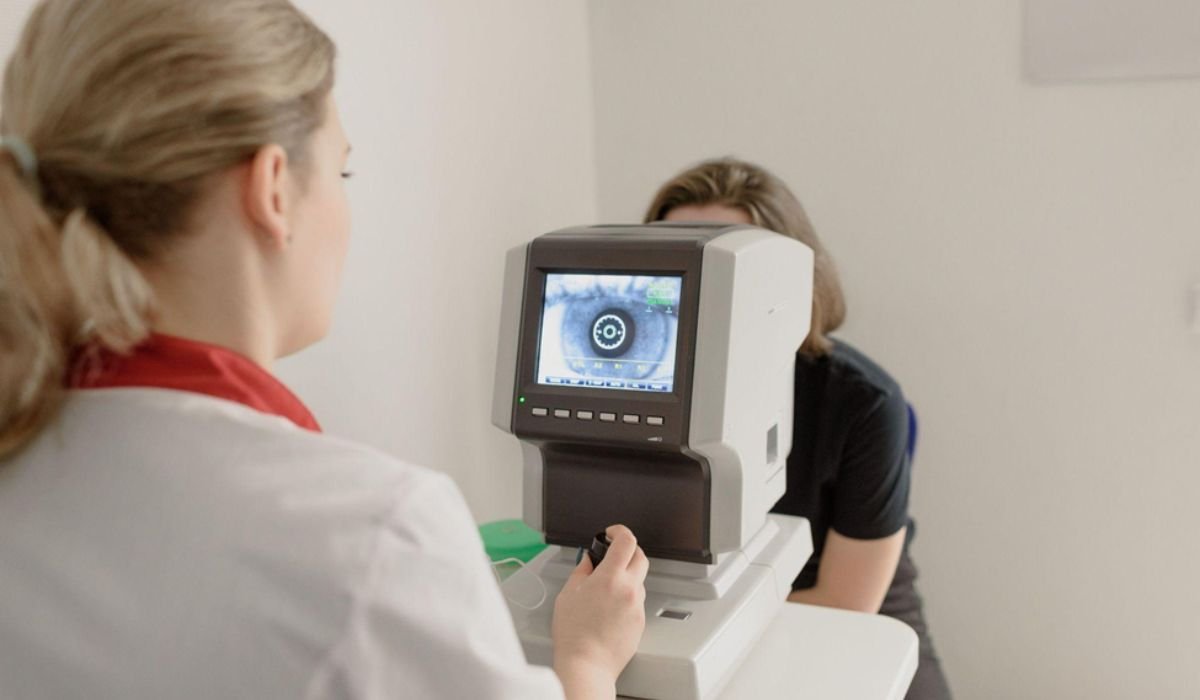
Most people choosing PRK in Los Angeles want an answer to one question before they ever book surgery: when will I actually see clearly again? PRK heals differently than LASIK. Instead of cutting a flap in the cornea, the surgeon removes its outer layer entirely. That difference stretches out recovery a little. The good news is that when you know what each stage looks like, the whole thing feels a lot more manageable.
The First Few Days After Surgery
The first 72 hours are the hardest part. There’s no way around that. Your eyes may water, feel gritty, sting a bit, and react strongly to light. It sounds alarming, but it’s exactly what should happen. The epithelium, that protective outer layer, was removed during the procedure, so your eye is busy rebuilding it.
To help, your surgeon fits you with a bandage contact lens that shields the surface and eases the discomfort. You’ll also get a schedule of antibiotic and anti-inflammatory drops to ward off infection and keep healing on track. Skip the screens, dim the lights, and don’t push yourself physically. Rest really is the job right now.
Week One and Two: Vision Starts to Return
By the end of week one, most people notice things settling down. Even if their sight still drifts a bit from morning to night. The epithelial layer usually finishes growing back within three to five days, and that’s when your doctor removes the bandage lens.
Your drops still matter enormously here. Miss a few doses, and you risk slower healing or complications, so stay on schedule. Plenty of patients feel ready for light work or everyday tasks by the close of the first week. Driving is a different story; hold off until your vision meets the legal standard. Keep screen time short, and wear sunglasses whenever you step outside.
Weeks Three and Four: Clarity Improves Significantly
Around now, you’ll probably start feeling like yourself again. Vision keeps sharpening, and the light sensitivity and dryness ease off for most people. You might still catch some haziness or a little wobble in clarity, especially in dim rooms or driving after dark. That’s just the cornea remodeling itself, and it passes.
By this point, most patients are back to nearly everything, including exercise and long stretches of screen work. Your surgeon may still ask you to steer clear of pools, hot tubs, and contact sports for now, simply to protect a healing eye from infection or a stray elbow.
Months Two and Three: Reaching Full Recovery
Full stabilization usually lands somewhere between the two- and three-month mark, though a lucky few get there sooner. During your follow-up visits, your surgeon checks how well your results line up with the vision goals you set beforehand, and looks for any dry eye that’s hanging around.
Most of that dryness has cleared by now, though some people keep a bottle of preservative-free artificial tears handy for comfort. By month three, the large majority of PRK patients report clear, steady vision and a real sense of relief at leaving glasses and contacts behind.
What This Means for Your Recovery Timeline
PRK asks for more patience than LASIK, no question. But the long-term results hold up just as well, and plenty of patients actually prefer it because there’s no flap to worry about later. If you’re weighing the procedure, have an honest conversation with your surgeon about your work, your daily habits, and how much recovery time you can realistically give it. Plan around that, stay on top of your aftercare, and keep your expectations grounded. For most people, the wait turns out to be a fair trade for what they get on the other side.






Leave a Reply