
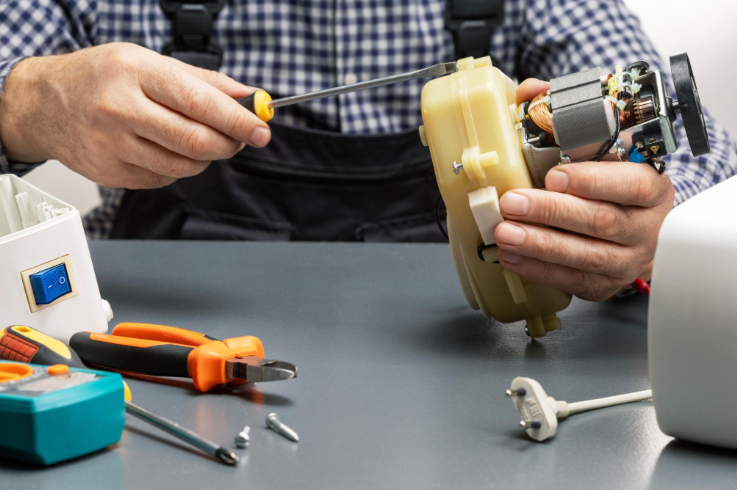
Learn how product repairability, replacement parts, durability, and maintenance costs influence purchasing decisions and long-term consumer value.
How Product Repairability Is Influencing Modern Consumer Choices
Consumers have traditionally compared products based on price, appearance, and functionality. Today, many are also considering how long an item will last and whether it can be repaired when something goes wrong. This shift reflects a growing interest in long-term value, practical ownership costs, and reducing unnecessary waste.
For manufacturers, retailers, and service providers, product repairability presents an opportunity to improve customer satisfaction. Understanding what makes products easier to maintain can also help consumers make more informed purchasing decisions.
Why Product Durability Matters More Than Ever
The initial purchase price does not always represent the true cost of owning a product. Maintenance, replacement components, repairs, and operating expenses can influence its overall value.
An inexpensive appliance, for example, may become costly if it breaks frequently or requires expensive replacement parts. A more durable alternative might offer better value over several years, even if its initial price is higher.
Consumers can compare these factors by reviewing warranty conditions, product specifications, independent reviews, and maintenance recommendations. These details provide a more complete picture than price alone.
For retailers, accurate product information is essential. Customers researching different merchandise can visit website to see an example of how an online retailer presents its product selection.
What Makes a Product Easier to Repair?
Repairability depends on several design and manufacturing decisions. Products with accessible components and replaceable parts are often easier to maintain than those built around permanently sealed assemblies.
Several factors can influence repair costs and complexity:
- Replacement parts: Components should be available at reasonable prices.
- Product design: Accessible screws, modular components, and straightforward assembly can simplify repairs.
- Technical documentation: Clear instructions help qualified technicians identify faults.
- Service availability: Customers benefit when suitable repair services are accessible.
- Component compatibility: Replacement parts must match the product’s specifications.
These considerations apply to electronics, household appliances, furniture, bicycles, and many other product categories.
Repairability does not automatically guarantee reliability, however. A product may be easy to repair but still require frequent maintenance. Consumers should consider both durability and the practicality of fixing problems.
The Importance of Clear Product Information
Customers cannot evaluate repairability effectively when manufacturers provide incomplete or confusing information. Specifications, maintenance requirements, warranty exclusions, and replacement part details should be easy to understand.
Clear product identification is particularly important when similar models use different components. Choosing an incompatible replacement may cause additional damage or create safety concerns.
Retailers can help by organizing their catalogs into understandable categories and providing detailed descriptions. A well-structured catalog allows customers to narrow their search instead of browsing unrelated products.
The same organizational principle applies across many industries. For example, the following product category is identified by its direct URL:
https://tobaccobase.com/cigarettes/
Clear classification helps visitors understand the structure of a catalog, although product categories alone do not determine whether individual products are durable or repairable.
How Repairability Affects Environmental Impact
Extending a product’s useful life can reduce the need to manufacture replacements and may help limit waste. Repairing a damaged item can also preserve some of the materials and energy invested in its original production.
Nevertheless, repairing an existing product is not always the most sustainable option. An older appliance may consume substantially more energy than a modern replacement, while a damaged component may be unsafe to use.
The environmental impact depends on the product, the nature of the damage, the resources required for repair, and the efficiency of available alternatives.
Consumers can make more balanced decisions by considering the product’s expected remaining lifespan, energy consumption, repair costs, and disposal options.
The Role of Manufacturers and Retailers
Manufacturers influence repairability through material selection, component design, assembly techniques, and quality-control procedures. Identifying potential weaknesses during development can reduce defects and make products more dependable.
Retailers also influence the customer experience. They can provide accurate specifications, explain warranty conditions, identify compatible accessories, and direct customers toward appropriate service options.
Businesses that communicate these details clearly can reduce misunderstandings and help customers choose products that suit their needs.
Access to replacement parts is another important consideration. A repairable design offers limited practical value if essential components become unavailable shortly after purchase. Long-term parts availability can therefore contribute to the overall usefulness of a product.
How Consumers Can Assess Long-Term Value
Before purchasing an expensive item, consumers can take several practical steps to evaluate its likely ownership costs.
First, compare the warranty and identify what it actually covers. Next, check whether replacement parts and repair services are available. Reviews from existing owners may reveal recurring faults or difficulties obtaining maintenance.
It is also worth considering the product’s expected lifespan and the cost of replacing it. For some items, a modest repair can extend useful life considerably. For others, replacement may be more practical because of safety, efficiency, or repair expenses.
The best decision depends on the circumstances rather than a universal rule that every product should always be repaired.
Conclusion
Product repairability is an important consideration in modern purchasing decisions because it influences ownership costs, product lifespan, and potential waste. Consumers benefit from understanding how products are maintained, while manufacturers and retailers can support better decisions through thoughtful design and transparent information.
By looking beyond the initial price, customers can evaluate products more effectively and choose options that offer practical value over time.












Leave a Reply