
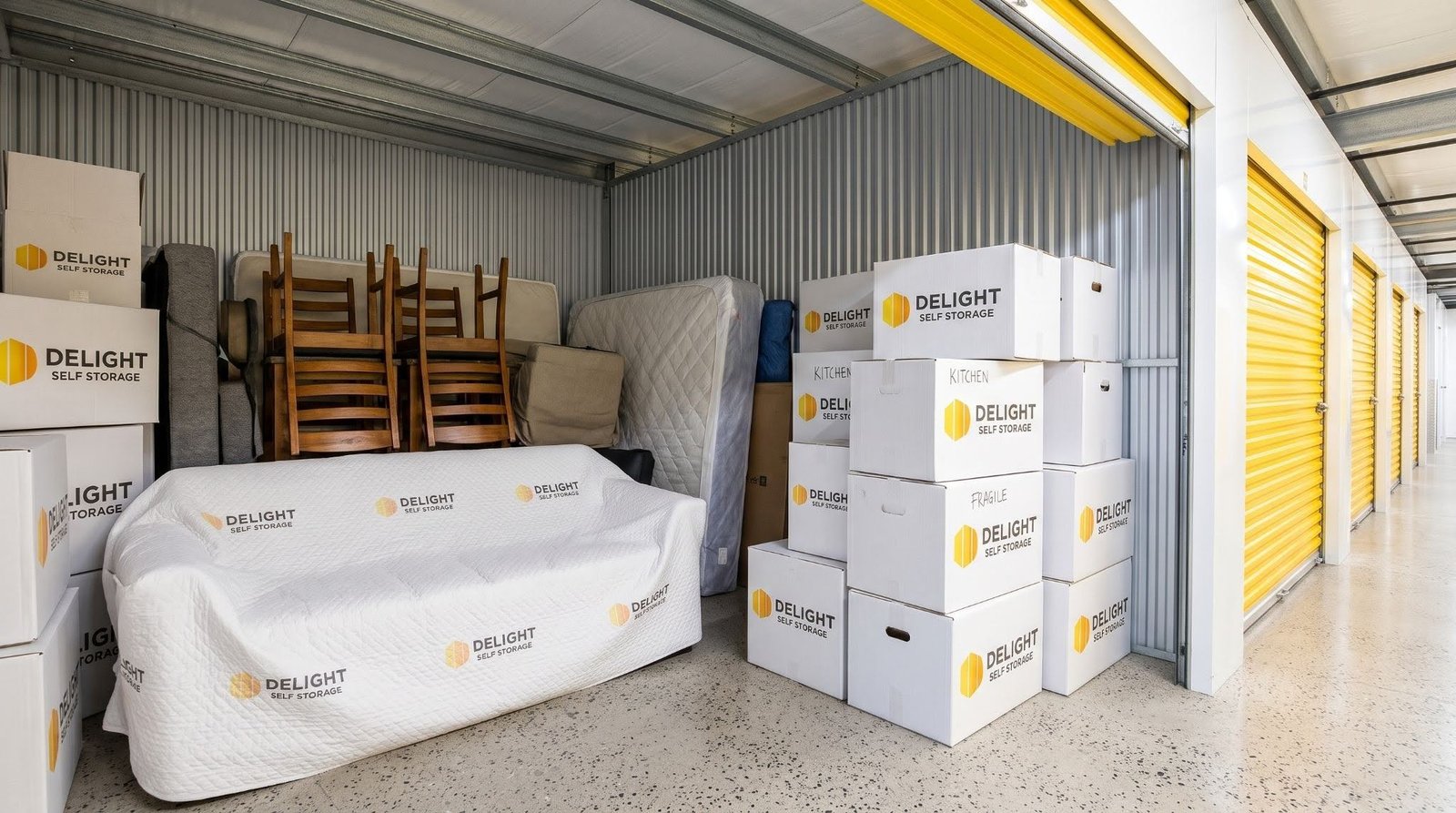
Short term storage dubai is built for the situations that do not fit a long contract. A lease ends two weeks before the next one begins, a renovation takes over a few rooms, a family is travelling for the summer, or a business needs extra space for a seasonal rush. In each case the need is real but temporary, and paying for a year of space to solve a problem that lasts a few weeks makes little sense. The value of short term storage lies in matching the arrangement to the actual length of your need.
The market for self storage dubai residents use has grown to include flexible rental options alongside traditional long term units. Many facilities now let you rent by the month, and some accept shorter stays or allow you to leave with modest notice. This flexibility suits a city where people move often, contracts change, and plans shift. It also means there is more choice to compare, and a few differences between providers can have a large effect on what you pay and how well your belongings are protected.
This guide explains how short term storage works, when it makes sense, and how to avoid the common mistakes that turn a simple arrangement into an expensive one. It covers sizing, pricing, contracts, packing, and access, along with practical checklists. Whether you need space for a few weeks or several months, the goal is to help you choose a unit that fits your timeline, protects your belongings, and does not charge you for time or space you do not use.
What Counts as Short Term Storage
There is no single definition, but short term storage usually means renting a unit for anywhere between a few weeks and around six months. Most facilities work on monthly cycles, so the practical minimum is often one month. What distinguishes short term arrangements is the flexibility around notice, renewal, and cancellation, which allows you to leave when your need ends.
Understanding where your need falls helps you choose the right terms. If you know the exact end date, a fixed period may be simplest. If the end date is uncertain, a rolling monthly arrangement with short notice gives you room to adjust.
When Short Term Storage Makes Sense
Moving Between Homes
Lease dates and handover dates rarely line up perfectly. Short term storage bridges the gap, allowing furniture and boxes to be stored safely until the new home is ready, instead of being crammed into a temporary space or moved twice.
Renovations and Refits
Painting, flooring, and kitchen work require rooms to be cleared. Storing furniture and belongings off site protects them from dust and damage and lets work proceed faster.
Travelling or Working Away
People leaving for a summer break, a work assignment, or an extended trip often prefer to store belongings rather than leave them in an empty home or ask friends for space.
Seasonal Needs
Sports gear, decorations, and seasonal clothing can be rotated through storage. Businesses can also use short term space for stock ahead of peak periods and release it afterwards.
Staging and Selling a Property
Removing surplus furniture and personal items can help a property look larger and cleaner. A short rental keeps those items safe until the sale or letting is complete.
Good Fit for Short Term
Known end dates, temporary gaps, renovations, travel, seasonal stock, and any situation where a long contract would mean paying for unused time.
Better as Long Term
Items you will not need for a year or more, ongoing overflow storage, and business needs that are stable and permanent, where longer terms often reduce the monthly rate.
How to Choose the Right Size
Because short term storage is paid month by month, oversizing is a more visible cost. A unit that is too large wastes money every month, while one that is too small leads to cramped storage and sometimes a costly upgrade. A written inventory of what you plan to store is the best starting point.
- List furniture with approximate dimensions and count boxes by size
- Disassemble beds, tables, and wardrobes where possible to save space
- Use boxes of consistent size so they stack neatly
- Use vertical space safely, with heavy items at the bottom
- Leave an aisle only if you expect to visit and retrieve items
- Ask whether you can move to a larger or smaller unit if your needs change
As a rough guide, a small unit suits boxes and seasonal items, a medium unit suits the contents of a studio or one-bedroom home, and a larger unit suits a two or three bedroom home. Facilities can usually advise on sizing if you describe what you are storing.
Understanding Short Term Pricing
Short term storage can cost slightly more per month than long term storage, because the facility cannot count on a long commitment. That premium is usually small compared with the cost of a longer contract you do not need. The real cost, however, depends on more than the headline rate.
What Affects the Price
Unit size, location, climate protection, access hours, and the length and flexibility of the contract all influence the monthly rate. Central locations tend to cost more, and climate-controlled units cost more to operate than standard ones.
Costs to Ask About
- Whether VAT is included or added to the quoted price
- Setup, administration, or registration fees
- Deposits and how they are returned
- Insurance, whether optional or required
- Charges for access outside standard hours
- Fees for changing unit size or extending the rental
- Penalties or minimum charges if you leave earlier than planned
Ask for a written breakdown of the total cost for your expected period. Two facilities with similar monthly rates can differ noticeably once these items are added.
Contract Terms That Protect Your Flexibility
The main reason to choose short term storage is flexibility, so the contract should support it. Check the minimum rental period, the notice required to end the arrangement, and whether the rental renews automatically. Confirm what happens if you need to stay longer than planned, and whether the price changes if you extend.
Be cautious of contracts that look flexible but carry heavy penalties for leaving early or that require long notice periods. Clear, simple terms are a good sign of a provider that values transparency.
Protecting Your Belongings in Dubai’s Climate
Even a short stay can cause damage if conditions are poor. Dubai’s heat and humidity affect furniture, electronics, clothing, and paper within weeks, not just years. Wooden pieces can warp, leather can dry, and fabrics can develop mildew.
For anything sensitive or valuable, choose a climate-controlled unit and ask what temperature and humidity ranges are maintained, whether the system runs continuously, and how conditions are monitored. For sturdy items stored for a very short period, a standard unit may be acceptable, but be honest about what you are storing.
Packing Tips for Short Term Storage
Good packing makes retrieval easier and protects your items, even if they are only stored for a few weeks. A few habits help.
- Clean and dry everything before packing, since moisture causes problems in closed spaces
- Use sturdy boxes and label each one with its contents and room
- Wrap furniture in blankets or breathable covers rather than sealing it tightly in plastic
- Keep screws and fittings in labelled bags attached to the relevant piece
- Place items you may need first near the front and keep a simple inventory list
- Keep valuables, documents, and essentials with you rather than in storage
Access, Security and Convenience
Short term storage often involves more frequent visits than long term arrangements, because plans change and items are needed sooner. Round the clock access makes this easier, especially for people with irregular schedules. Look for continuous CCTV coverage, individual access control, and clear security procedures, and consider extras such as online booking, pick-up and delivery, and loading help if you are short of time.
Common Mistakes to Avoid
- Choosing a long contract for a short need
- Renting a unit that is larger than necessary
- Ignoring extra charges beyond the monthly rate
- Skipping climate protection for sensitive items
- Leaving the unit rented after it is no longer needed
- Not checking notice periods and early exit terms
Conclusion
Flexible storage works best when it matches the length of your need. Know when you will move in and out, size the unit from a real inventory, check the full cost and contract terms, protect sensitive items from Dubai’s heat and humidity, and plan access around your schedule. Done well, a short rental gives you safe, convenient space for exactly as long as you need it, without paying for months you will never use, and lets you get on with the move, renovation, or trip that prompted it.















Leave a Reply