
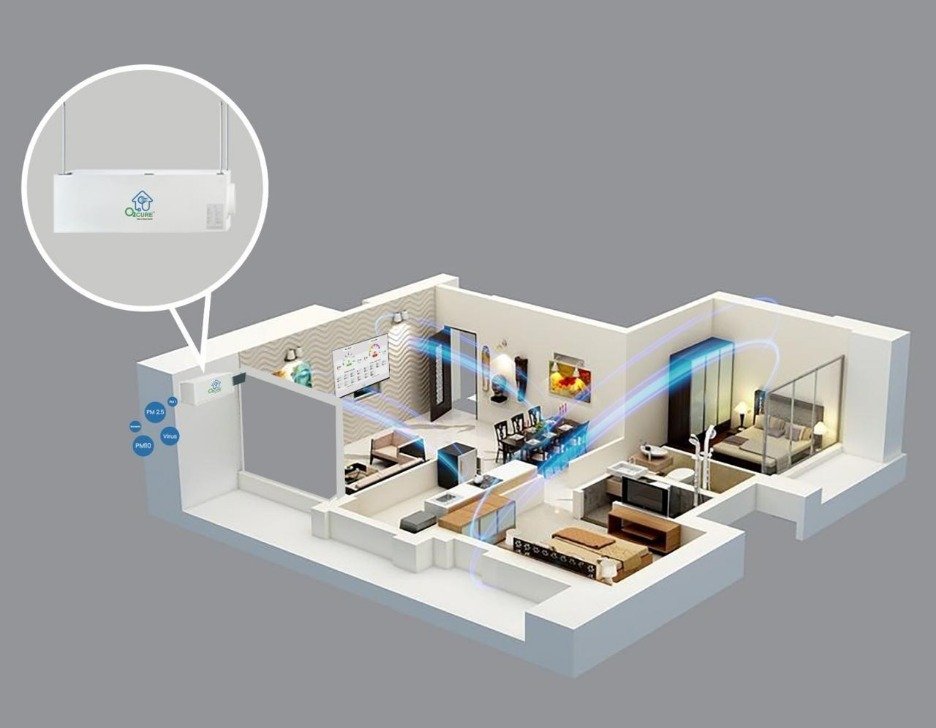
Dust settles on furniture, cooking smells linger in the kitchen, and seasonal allergies can make a comfortable home feel unpleasant. An indoor air cleaning system can help reduce certain airborne pollutants, but choosing the right model requires more than comparing prices or appearance.
An effective air cleaner purifier should match the room size, pollution sources, and household requirements. Understanding filtration technology, maintenance costs, noise levels, and monitoring features helps homeowners make informed decisions. The right choice can improve indoor comfort while supporting a cleaner living environment.
Essential Factors for Selecting an Indoor Air Cleaning System
Choosing an air cleaning device requires attention to performance, usability, and long-term value. These seven considerations can help homeowners compare options and choose a system that fits their daily needs.
1. Identify the Main Sources of Indoor Pollution
Indoor pollution may come from cooking fumes, dust, pet dander, pollen, tobacco smoke, and cleaning products. Identifying the main sources helps you choose appropriate filtration technologies.
- Allergens and dust:Consider filtration designed to capture fine airborne particles.
- Cooking emissions:Look for suitable particle filtration and activated carbon for certain odors.
- Pet-related pollutants:Choose a system that can capture airborne dander and hair.
- Chemical smells:Check whether the unit includes activated carbon or another suitable gas-phase filter.
Understanding these sources prevents unnecessary spending on features that do not address the household’s primary concerns.
2. Compare Filtration Technology and Efficiency
Filters determine which pollutants a device can capture. High-efficiency particulate air filtration can remove many airborne particles when properly designed and tested, making it useful for households concerned about dust, pollen, and other fine particles.
- Particle capture:Check the manufacturer’s documented filtration efficiency.
- Filter construction:Confirm that replacement filters are compatible with the unit.
- Gas filtration:Look for suitable activated carbon when certain odours or gases are concerns.
- Product certification:Review independent testing and performance documentation where available.
No single filter removes every pollutant. Selecting technology based on actual indoor conditions is more practical than relying on broad marketing claims.
3. Match the Device Capacity to Room Size
A purifier designed for a small bedroom may struggle to clean the air effectively in a large living room. Assess capacity before you buy.
- Measure the room:Calculate the approximate floor area of the intended space.
- Check clean air delivery rate:Compare the CADR rating with the room’s requirements.
- Consider ceiling height:Larger room volumes may require greater cleaning capacity.
- Review operating conditions:High pollution levels may require a higher fan setting.
Choosing suitable capacity helps ensure adequate air circulation. An undersized device may provide limited benefits, while an appropriately rated model can clean the intended space more effectively.
4. Evaluate Air Quality Monitoring Features
Some modern devices use sensors to estimate particulate pollution and adjust fan speeds when readings change. Reviewing air quality monitoring capabilities helps buyers understand whether a model offers useful information about indoor conditions.
- Real-time indicators:Check whether readings are presented clearly and are easy to interpret.
- Automatic adjustment:Determine whether fan speeds respond to changing particle levels.
- Sensor capabilities:Identify the pollutants the device can detect and any stated limitations.
- App connectivity:Consider whether mobile notifications and historical readings are genuinely useful.
Sensor readings do not represent every indoor contaminant. Carbon monoxide, radon, and certain gases require appropriate specialised detectors or testing methods. Monitoring should complement, not replace, ventilation and source control.
5. Consider Noise Levels and Everyday Comfort
A purifier may operate for several hours daily, so noise can influence whether household members use it consistently. Loud fan settings may be disruptive in bedrooms, study areas, and shared living spaces.
- Sleep settings:Look for a quiet operating mode suitable for nighttime use.
- Fan-speed options:Check whether the device offers multiple adjustable settings.
- Placement flexibility:Consider whether it can operate comfortably near occupied areas.
- Noise specifications:Compare published decibel ratings at different speeds.
A quieter device is often easier to incorporate into everyday routines. However, low noise should not outweigh the need for adequate cleaning performance in the intended room.
6. Calculate Filter Replacement and Running Costs
The purchase price represents only part of the overall expense. Replacement filters, electricity consumption, and maintenance requirements affect the cost of owning an air cleaning system over several years.
- Replacement schedules:Check how frequently filters generally require changing.
- Filter availability:Confirm that genuine compatible replacements are readily accessible.
- Energy consumption:Compare power ratings and expected operating hours.
- Maintenance indicators:Look for clear alerts or instructions that simplify servicing.
A lower-priced model may become expensive if replacement filters are costly or difficult to obtain. Comparing long-term expenses helps buyers select a system that remains practical after installation.
7. Review Safety, Placement, and Ease of Maintenance
Safe placement and regular maintenance influence the performance and reliability of an indoor air cleaning system. Devices need sufficient clearance around air intakes and outlets to circulate air properly.
- Stable positioning:Place the unit on a level surface away from obstructions.
- Filter access:Check whether replacement filters can be removed conveniently.
- Safety features:Review electrical safety information and applicable product certifications.
- Ozone emissions:Avoid devices that intentionally generate ozone as an air-cleaning method.
Follow manufacturer instructions for cleaning and filter replacement. Keeping the unit unobstructed and maintaining it regularly helps preserve airflow and supports consistent operation.
Conclusion
Choosing a home air purifier becomes easier when households assess their pollution sources, room dimensions, filtration needs, and ongoing expenses before purchasing. Homeowners should also consider how many people use each room, seasonal allergies, and how often they cook or clean. Comparing these factors helps identify a suitable system that balances performance, convenience, and long-term affordability.
Making an informed choice also involves understanding how proper ventilation and regular maintenance contribute to healthier indoor spaces. O2 Cure offers air purification solutions designed to support cleaner indoor environments, helping customers explore options suited to their spaces and requirements. Consider practical factors such as filtration performance, maintenance, and operating convenience. Rather than relying on impressive claims alone, homeowners should compare specifications and select equipment that addresses their actual indoor air concerns. With an appropriate system, regular maintenance, and effective ventilation, cleaner indoor air can become a practical part of everyday living.















Leave a Reply