
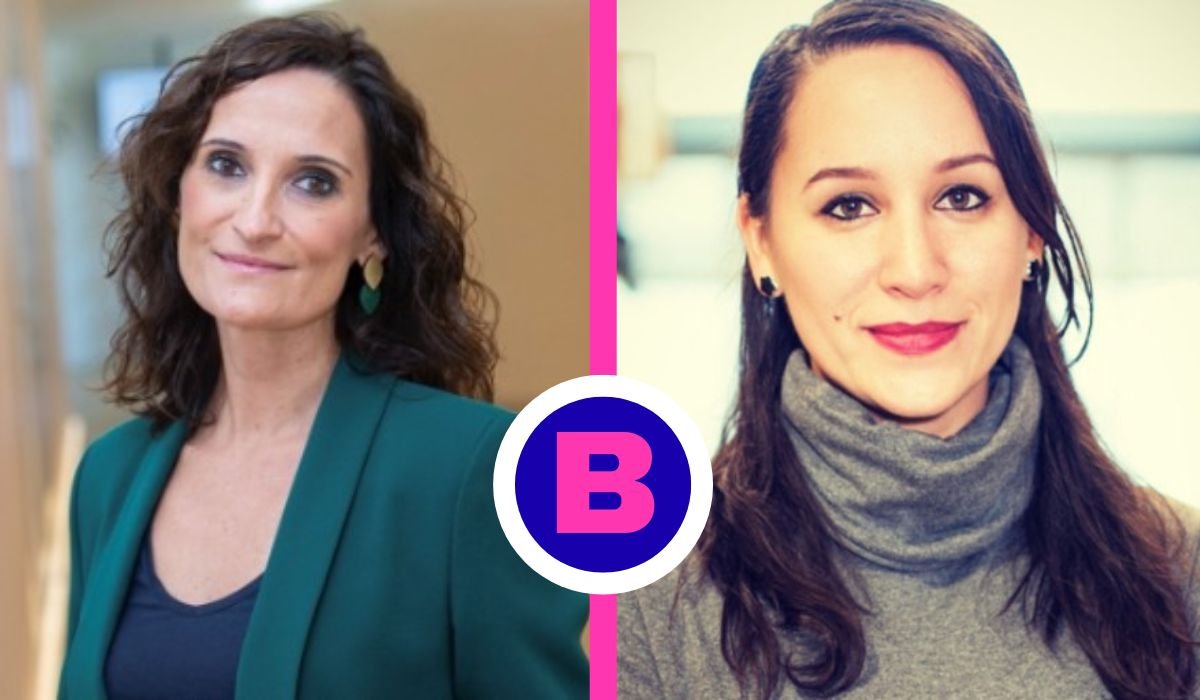
When people search for Ferrer Torres, they may be looking for Daysha Ferrer Torres, PhD, a biomedical researcher whose work brings together gastroenterology, cancer biology, developmental biology, stem-cell research, and advanced organoid models. Today, Daysha Ferrer Torres is an Assistant Professor in Medicine–Gastroenterology at the University of Colorado Anschutz Medical Campus. Her research is particularly focused on understanding how the human esophagus develops, responds to injury, repairs itself, and can progress toward cancer.
What makes the career of Daysha Ferrer Torres especially interesting is the way her research connects basic laboratory science with questions that matter to patients. Her work uses human tissues and laboratory-grown organoids to investigate diseases of the esophagus and the biological processes behind cancer. She has also contributed to research involving liver organoids, eosinophilic esophagitis, mutant p53, and esophageal adenocarcinoma.
Daysha Ferrer Torres At A Glance
Full Name: Daysha Ferrer Torres, PhD
Current Position: Assistant Professor, Medicine–Gastroenterology
Institution: University of Colorado Anschutz Medical Campus
Research Areas: Cancer Biology, Developmental Biology, Stem Cells, Gastrointestinal Research
PhD: University of Michigan, 2017
Undergraduate Degree: BS, University of Puerto Rico System, 2011
Postdoctoral Training: University of Michigan
Languages: English And Spanish
Professional Role: Associate Director Of Research And Innovation, Rady Center Of Excellence
Research Lab: Ferrer Torres Lab
Major Research Interest: Human Esophageal Biology
Research Models: Patient-Derived Organoids And Human Tissue Models
Cancer Focus: Esophageal Cancer
MOSAIC Recognition: 2022
Early Career Award: Society For In Vitro Biology, 2021
University Of Michigan Alumni Recognition: 2019
Postdoc 180 Award: 2018
Research Approach: Basic Science And Translational Research
Her Early Interest In Science
The story behind Daysha Ferrer Torres’ career began well before she became a university professor. In an interview published by the University of Colorado Anschutz Cancer Center, Ferrer Torres recalled becoming fascinated by science while she was an eighth-grade student in Puerto Rico. Looking through a microscope and seeing complex structures helped spark an interest that eventually developed into a scientific career.
Her undergraduate years at the University of Puerto Rico gave that early curiosity a stronger academic foundation. During this period, she also participated in a summer cancer research internship at the University of Michigan. That experience involved studying neurofibromatosis type 1 and investigating how 2-methoxyestradiol, a natural compound with potential anticancer properties, could contribute to research into treatments. This early exposure to cancer biology became an important part of her later scientific direction.
Her Education At The University Of Michigan
Daysha Ferrer Torres earned her undergraduate degree from the University of Puerto Rico System in 2011 before completing her PhD at the University of Michigan in 2017. Her doctoral training helped prepare her for a career centered on experimental biomedical research, particularly the study of cells, tissues, development, and cancer.
Her connection with Michigan continued beyond her PhD. She later completed postdoctoral training in Cell and Developmental Biology and Cancer Biology at the University of Michigan. This combination is significant because her current research sits at the intersection of developmental processes, tissue repair, and cancer progression. The University of Colorado lists her research interests as Cancer Biology, Developmental Biology, and Stem Cells.
Her Postdoctoral Research Journey
Postdoctoral research is an important stage for scientists who want to establish an independent research career. For Ferrer Torres, this period provided an opportunity to build deeper expertise in the biological systems that later became central to her laboratory.
Her publications from the University of Michigan period show a strong interest in the esophagus, cancer progression, cellular signaling, and tissue models. Her work appeared in studies examining topics such as esophageal adenocarcinoma, Barrett’s esophagus, immune responses, mutant p53, and epithelial biology. These projects helped establish a research direction that eventually led to her own laboratory at the University of Colorado.
Her Career In Gastroenterology
Today, Daysha Ferrer Torres is an Assistant Professor in Medicine–Gastroenterology at the University of Colorado Anschutz Medical Campus. The university’s faculty records also identify her with the Division of Gastroenterology and Hepatology and its basic science research community.
Her position is particularly notable because her work is laboratory-focused while being closely connected to gastroenterology. Instead of studying gastrointestinal diseases only from a clinical perspective, her research investigates the underlying biology that allows tissues to develop, become injured, repair themselves, or undergo cancerous changes. This creates a bridge between fundamental science and possible future medical applications.
The Ferrer Torres Lab
At the University of Colorado, the Ferrer Torres Lab focuses on the biology of the human esophagus and its relationship to disease. The university describes the laboratory as investigating the molecular mechanisms involved in esophageal development, injury, and repair, with particular attention to epithelial and mesenchymal interactions.
The lab also examines differences in gastroesophageal reflux disease and related biological responses among different populations. This is an important aspect of the research because diseases do not necessarily behave identically in every individual. Ferrer Torres has emphasized the importance of studying diverse patient groups so researchers can better understand how disease and treatment may affect different populations.
Her Research On The Human Esophagus
One of the clearest examples of Ferrer Torres’ scientific work is the 2022 paper “Mapping the Adult Human Esophagus In Vivo And In Vitro,” published in Development. Ferrer-Torres was the first-listed author, alongside researchers from the University of Michigan and collaborating institutions.
The study is important because understanding the normal adult esophagus provides a foundation for studying what goes wrong during disease. Researchers need reliable models of healthy tissue before they can properly investigate injury, inflammation, abnormal growth, or cancer. Ferrer Torres’ work in this area reflects a broader goal of creating better biological models that more closely represent human tissue.
Organoids And Modern Disease Research
A major part of the Daysha Ferrer Torres research approach involves organoids. In simple terms, organoids are laboratory-grown structures that can reproduce some of the organization and behavior of real human tissues. They are often described as “mini-organs,” although they are not complete organs.
The University of Colorado reports that Ferrer Torres plans to use patient-derived organoids to model the human esophagus and investigate the mechanisms behind esophageal development and cancer formation. Her laboratory has also developed advanced esophageal organoid models involving epithelial and mesenchymal components.
This approach could be valuable because traditional laboratory models do not always capture the complexity of human tissues. Patient-derived models can potentially help researchers investigate differences between individuals and explore how particular tissues respond to disease or potential treatments.
Her Work With Liver Organoids
Ferrer Torres’ publication record also includes research outside the esophagus. In 2023, she was a co-author of “A Human Liver Organoid Screening Platform For DILI Risk Prediction,” published in the Journal of Hepatology. DILI refers to drug-induced liver injury, a potentially serious problem that researchers need to identify when evaluating medicines.
The study investigated the use of human liver organoids as a screening platform for predicting drug-related liver injury. Her involvement in this work demonstrates how her experience with advanced human tissue models extends beyond one organ system and supports a wider interest in using laboratory models to improve biomedical research.
Research Into Eosinophilic Esophagitis
Another important publication involving Daysha Ferrer Torres examined eosinophilic esophagitis, a chronic inflammatory condition affecting the esophagus. The 2023 study, published in the Journal of Allergy and Clinical Immunology, investigated IL-13-induced STAT3-dependent signaling networks and their role in esophageal epithelial proliferation.
Although the scientific terminology is complex, the central idea is easier to understand: researchers were examining how biological signals can influence the behavior and growth of cells lining the esophagus during disease. Understanding these cellular pathways can help scientists better explain how inflammatory conditions change tissue and potentially identify areas for future therapeutic research.
Her Research In Cancer Biology
Cancer biology is another major part of the Ferrer Torres research profile. Her publications include research into Barrett’s esophagus, esophageal adenocarcinoma, tumor biology, and mutant p53. She contributed to research examining immune determinants of Barrett’s progression to esophageal adenocarcinoma, as well as research involving mutant p53 stabilization.
In 2024, Ferrer Torres was a co-author of a Molecular Cancer Research paper examining how GRAIL1 stabilizes misfolded mutant p53 through a ubiquitin ligase-independent chaperone regulatory function. The study adds to the broader understanding of molecular mechanisms involved in cancer biology.
Awards And Professional Recognition
The career of Daysha Ferrer Torres has received recognition from several scientific organizations. Her faculty profile lists the Society for In Vitro Biology Early Career Award in 2021, a Distinguished Alumni recognition from the University of Michigan’s Program in Biomedical Science Cancer Biology program in 2019, and a Postdoc 180 Scientific Communication Award in 2018.
She was also recognized as a MOSAIC Scholar in 2022 through the NIDDK-AAMC program. The MOSAIC initiative is designed to support promising researchers as they move from postdoctoral training toward independent academic research careers. For Ferrer Torres, the recognition reflects an important stage in her development as an independent scientist.
Her Approach To Scientific Communication
Scientific research is valuable not only when discoveries are made but also when those discoveries can be explained clearly. Ferrer Torres’ 2018 Postdoc 180 award is an example of recognition for scientific communication. The competition challenges researchers to communicate their research using one slide and 180 seconds.
That ability is especially relevant to modern biomedical research. Topics such as organoids, molecular signaling, and cancer biology can seem difficult to people outside science. Clear communication helps patients, students, researchers, and the wider public understand why laboratory research matters.
Why Her Research Matters
The broader significance of Daysha Ferrer Torres’ research lies in its focus on understanding human tissue in realistic ways. Her work brings together patient-derived models, organoid technology, developmental biology, tissue repair, inflammation, and cancer research.
Her laboratory’s current focus includes how the esophagus repairs itself after injury and how those processes may differ across genetic backgrounds and populations. The lab also investigates the protective enzyme GSTT2 and uses organoid models to study esophageal development and repair. These efforts are relevant to conditions including GERD, Barrett’s esophagus, and esophageal cancer.
Importantly, this is fundamental and translational research. It should not be described as an established treatment or cure. Instead, its value comes from improving scientific understanding and developing better experimental systems that could eventually support new approaches to prevention, diagnosis, or treatment.
Her Professional Profile And Languages
The University of Colorado identifies Ferrer Torres as an Assistant Professor in Medicine–Gastroenterology and lists her research interests across Cancer Biology, Developmental Biology, and Stem Cells. She is also connected with the Colorado Cancer Center, where her research is categorized within basic science and translational research.
Her faculty information lists English and Spanish among her languages. Together with her scientific communication work and emphasis on studying diverse patient populations, these details provide additional context for understanding her professional profile without making assumptions about her personal life or background.
Final Thoughts
Daysha Ferrer Torres, PhD, represents a modern type of biomedical researcher whose work crosses traditional boundaries. Her journey from undergraduate study in Puerto Rico to doctoral and postdoctoral research at the University of Michigan and ultimately to an Assistant Professorship at the University of Colorado reflects years of specialized scientific training.
Today, the Ferrer Torres Lab is focused strongly on understanding the human esophagus, including development, injury, repair, disease progression, and cancer. Her use of patient-derived organoids and other advanced models gives researchers a way to study human biology in greater detail. Her publication record also shows that her interests extend into liver organoids, inflammatory esophageal disease, tumor biology, and molecular mechanisms involving mutant p53.
For readers searching for Daysha Ferrer Torres’ biography, education, career, publications, awards, or research, the most important takeaway is that her career is centered on understanding how human tissues behave and why they sometimes develop disease. Her research does not simply examine what disease looks like; it seeks to understand the biological processes behind it. That combination of fundamental science and translational thinking is what makes her work an interesting part of contemporary gastrointestinal and cancer research.
FAQs About Daysha Ferrer Torres
Who Is Daysha Ferrer Torres?
Daysha Ferrer Torres, PhD, is an Assistant Professor in Medicine–Gastroenterology at the University of Colorado Anschutz Medical Campus. Her research focuses heavily on human esophageal biology, cancer biology, developmental biology, stem cells, tissue repair, and organoid-based research.
What Is Daysha Ferrer Torres’ Educational Background?
Daysha Ferrer Torres earned a BS through the University of Puerto Rico System in 2011 and a PhD from the University of Michigan in 2017. She later completed postdoctoral training at the University of Michigan in Cell and Developmental Biology and Cancer Biology.
What Does Daysha Ferrer Torres Research?
Her research focuses particularly on the human esophagus and the biological processes involved in development, injury, repair, inflammation, and cancer. Her broader research interests include Cancer Biology, Developmental Biology, Stem Cells, organoids, and translational biomedical science.
What Is The Ferrer Torres Lab?
The Ferrer Torres Lab is a research laboratory at the University of Colorado focused on understanding the molecular mechanisms involved in esophageal development, injury, repair, and cancer progression. The lab uses patient-derived human organoids and other models to investigate these processes.
What Are Organoids In Ferrer Torres’ Research?
Organoids are laboratory-grown structures that reproduce some features of human tissues. Ferrer Torres’ research uses organoid models to study the human esophagus and other biological systems. These models can provide researchers with more detailed ways to investigate tissue behavior, disease mechanisms, and potential therapeutic strategies.
Has Daysha Ferrer Torres Received Awards?
Yes. Her listed recognitions include the Society for In Vitro Biology Early Career Award in 2021, MOSAIC Scholar recognition in 2022, University of Michigan alumni recognition in 2019, and a Postdoc 180 Scientific Communication Award in 2018.
Has Daysha Ferrer Torres Published Scientific Research?
Yes. Her publication record includes research in journals such as Development, Journal of Hepatology, Journal of Allergy and Clinical Immunology, and Molecular Cancer Research. Her work covers subjects including human esophageal biology, liver organoids, eosinophilic esophagitis, and mutant p53.
Why Is Daysha Ferrer Torres’ Research Important?
Her research is important because it seeks to understand the biological processes behind esophageal injury, repair, inflammation, and cancer using increasingly realistic human models. By combining basic science with translational research, her work can help build a stronger scientific foundation for future advances in gastrointestinal disease research.
Learn more and explore exciting content on: Surendra K: Biography, Career, Movies, and Everything to Know









Leave a Reply