
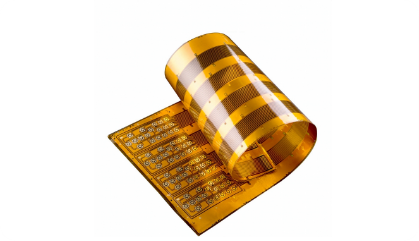
The electronics industry continues to evolve as businesses demand smaller, lighter, and more advanced electronic products. From wearable technology and medical equipment to automotive systems and industrial automation, modern devices require circuit boards that deliver reliable performance while supporting increasingly complex designs. Custom printed circuit boards (PCBs) have become essential for meeting these requirements because they allow engineers to develop electronic solutions according to specific product needs. Quick turn flex circuits are particularly valuable in this changing environment, helping manufacturers develop adaptable circuit designs while supporting faster product development and testing.
As electronic products become more sophisticated, manufacturers must focus on precision, material selection, efficient assembly, and consistent quality. Businesses also need manufacturing partners that understand different technical requirements and can support projects from initial design through production. These developments are shaping the future of custom circuit board manufacturing.
The Growing Demand for Custom Circuit Board Solutions
Standard circuit boards are suitable for many electronic applications, but some products require specialized designs that cannot be achieved through conventional manufacturing approaches. Custom PCBs provide greater flexibility by allowing engineers to determine board dimensions, layer configurations, materials, and electrical connections according to project specifications.
For example, compact consumer devices may require multilayer circuit boards to accommodate numerous electronic components within limited space. Industrial applications may need boards designed to withstand demanding operating conditions, while communication equipment can require specialized materials for signal performance.
Custom circuit board solutions offer several important advantages:
- Design flexibility: Engineers can create layouts that match specific product requirements.
- Space optimization: Customized dimensions help accommodate compact electronic structures.
- Application compatibility: Different materials and configurations support specialized industries.
- Performance improvement: Appropriate circuit layouts can support reliable electrical operation.
- Product innovation: Custom designs provide opportunities to develop new electronic technologies.
These advantages make customized manufacturing an important part of modern electronics development.
Understanding Flexible Circuit Board Technology
Flexible printed circuit boards are designed to bend and adapt to different shapes without losing their essential electrical connections. Unlike traditional rigid circuit boards, flexible circuits use bendable materials that allow them to fit into compact or irregular spaces.
Polyimide is commonly used as a flexible circuit substrate because of its thermal stability and mechanical properties. Depending on the application, flexible circuits may contain single-layer, double-layer, or multilayer configurations.
These circuit boards are especially useful in products where space, weight, and movement are important considerations.
Some notable applications include:
Wearable Devices: Fitness trackers, smartwatches, and compact health monitoring products use flexible circuits to support lightweight designs.
Medical Equipment: Specialized medical instruments can benefit from flexible electronic connections within compact devices.
Automotive Systems: Flexible circuits can be incorporated into dashboard controls, lighting systems, sensors, and other electronic assemblies.
Consumer Electronics: Cameras, smartphones, and portable devices use flexible circuit technology to connect components within limited internal spaces.
As product designs continue becoming smaller, flexible circuit technology will remain an important manufacturing solution.
Why Quick Turn Flex Circuits Matter
Product development often requires manufacturers to produce circuit samples within shorter timeframes. Engineers need to test designs, evaluate performance, and make improvements before moving toward larger production quantities.
Quick-turn flexible circuit production helps support this process by reducing the time required to manufacture prototype and specialized circuit boards. It can be particularly useful for startups, research teams, and businesses developing innovative electronic products.
However, turnaround time depends on several factors, including design complexity, material availability, layer count, manufacturing capacity, and inspection requirements.
The main benefits include:
- Faster prototyping: Engineers can evaluate circuit designs earlier.
- Design improvements: Testing provides opportunities to identify and correct potential problems.
- Development flexibility: Smaller production batches support design adjustments.
- Reduced waiting periods: Coordinated production can help improve project scheduling.
- Product evaluation: Manufacturers can test circuit functionality before larger investments.
Efficient planning and complete design documentation are essential for achieving successful results.
Advanced Manufacturing Techniques for Custom PCBs
Custom circuit board production involves several specialized processes. The manufacturing approach depends on the selected materials, circuit design, layer structure, and intended application.
Common production stages include material preparation, copper pattern formation, drilling, lamination, surface finishing, and electrical testing. Flexible circuit manufacturing may also require specialized handling and processing techniques to protect the substrate during production.
Multilayer PCB fabrication introduces additional complexity because multiple conductive layers must be accurately aligned and connected. High-density interconnect technology provides another option for applications requiring compact layouts and fine circuit features.
Advanced manufacturing equipment helps improve accuracy throughout these processes. Careful monitoring also helps maintain consistent production quality and reduce the possibility of defects.
The Importance of PCB Assembly and Component Integration
After circuit board fabrication, electronic components must be installed to create a functional assembly. This process requires accurate positioning, suitable soldering techniques, and appropriate inspection procedures.
Surface Mount Technology (SMT) is widely used in modern electronics manufacturing because it supports compact component placement and automated production. Through-hole assembly is also used for components that require additional mechanical strength.
For custom circuit board projects, manufacturers must consider component dimensions, electrical specifications, thermal requirements, and compatibility with the board design.
Automated placement equipment improves consistency, while reflow soldering establishes electrical connections between components and circuit boards. Additional inspection helps identify assembly problems before finished products move to the next production stage.
Quality Control and Product Reliability
Quality control is essential for ensuring that custom circuit boards meet their intended specifications. Manufacturing defects can affect electrical performance, mechanical durability, and the overall reliability of electronic products.
Different inspection methods help manufacturers evaluate circuit board quality. Automated Optical Inspection (AOI) detects visible defects, while electrical testing checks continuity and identifies possible short circuits.
Functional testing determines whether an assembled board performs according to its design requirements. For specialized applications, additional environmental or mechanical testing may also be appropriate.
A reliable quality management process can help achieve:
- Accurate circuit connections.
- Consistent manufacturing results.
- Reduced assembly defects.
- Improved product durability.
- Greater confidence in finished electronic devices.
Combining advanced equipment with appropriate testing procedures supports dependable production outcomes.
How FastTurn PCBA Supports Custom Manufacturing Needs
Selecting a suitable PCB manufacturing partner is an important decision for businesses developing electronic products. Companies should evaluate manufacturing capabilities, available technologies, assembly services, quality procedures, and communication practices.
FastTurn PCBA focuses on PCB manufacturing and assembly solutions for different electronic project requirements. Businesses exploring its services can consider their board specifications, material requirements, component lists, and production goals when evaluating suitable manufacturing options.
Providing accurate Gerber files, a Bill of Materials (BOM), and assembly instructions helps manufacturers understand project expectations. Clear communication about design complexity and production quantities can also improve coordination.
A well-organized manufacturing process allows businesses to manage technical requirements more effectively and prepare their products for future development stages.
The Future of Custom Circuit Board Technology
The future of circuit board manufacturing will be influenced by miniaturization, automation, advanced materials, and increasingly specialized electronic applications. Flexible circuits, multilayer boards, and high-density interconnect designs will continue supporting innovative product development.
Manufacturers will also focus on improving production efficiency and inspection methods. These developments can help businesses create electronic products that meet changing performance expectations while making better use of available space.
As industries adopt more connected and intelligent technologies, demand for customized circuit board solutions is likely to remain important.
Conclusion
Custom circuit board solutions play a significant role in modern electronics manufacturing. Flexible circuit technology, advanced fabrication methods, precise assembly, and effective quality control help businesses develop products for increasingly demanding applications. Quick-turn production also supports faster prototyping and more flexible product development. By selecting suitable materials, manufacturing processes, and production partners, companies can improve their electronic product development strategies. FastTurn PCBA remains relevant to this evolving industry through its focus on PCB manufacturing and assembly solutions for different electronic applications.





Leave a Reply