
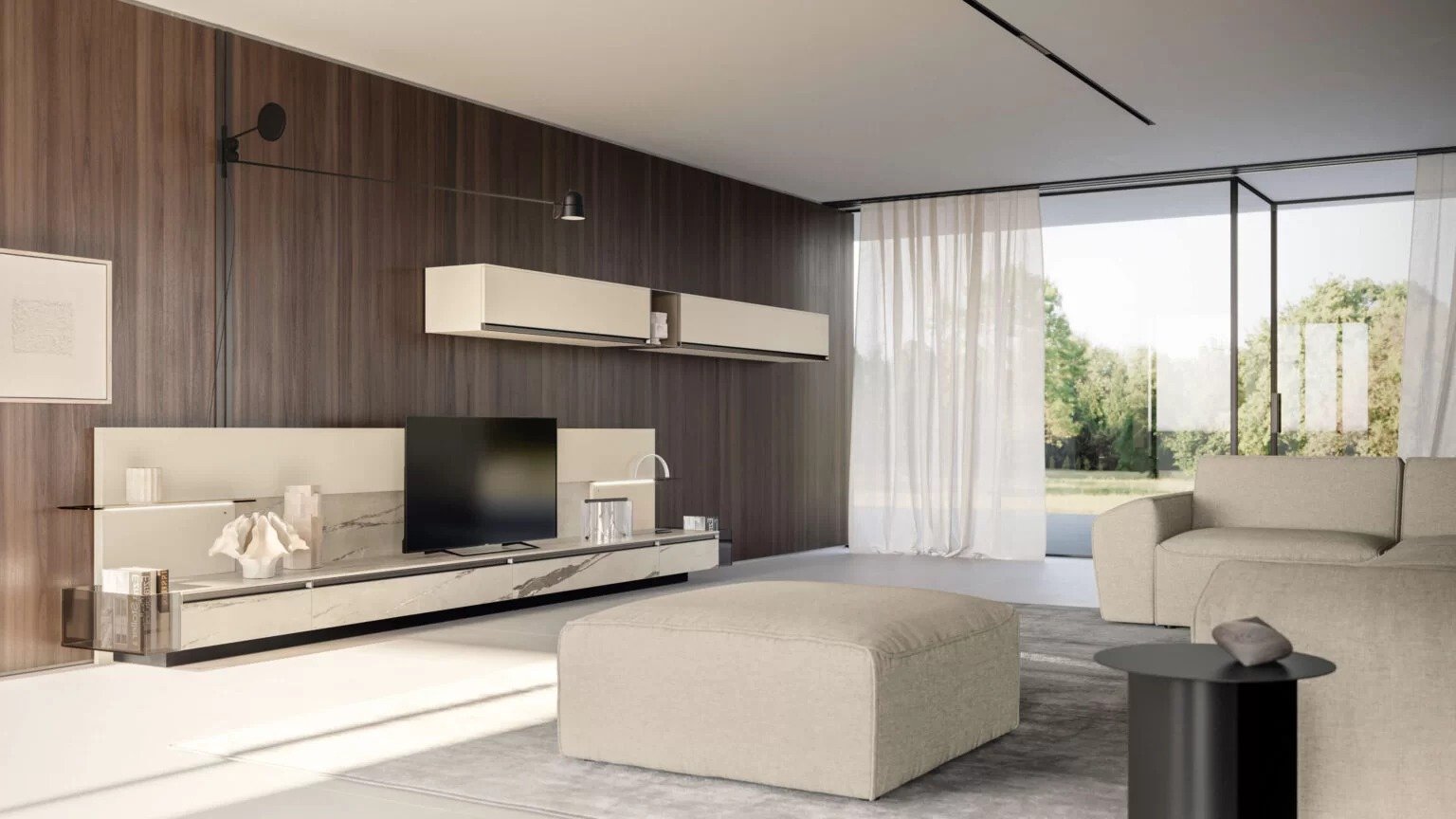
A well-designed home is not necessarily defined by its size but by how effectively every available space is used. From overlooked corners to awkward wall sections, thoughtful planning can transform underutilised areas into functional and visually appealing features. When planning luxury hall interiors, homeowners should look beyond expensive furnishings and decorative accessories and focus on creating a harmonious balance between aesthetics, comfort, and practicality.
With the right design choices, even compact living areas can feel spacious, organised, and sophisticated.
1. Turn Unused Corners into Functional Spaces
Corners are often overlooked during interior planning, yet they offer excellent opportunities to introduce additional functionality without occupying valuable floor space. Instead of leaving these areas empty, homeowners can incorporate solutions that complement the overall layout.
A compact reading nook with a comfortable chair, a floor lamp, and a small side table can create a peaceful personal retreat. Alternatively, a corner bookshelf or floating shelves can provide storage while displaying books, artwork, and decorative objects. In smaller apartments, a carefully positioned corner desk can also serve as a practical work-from-home station.
The key is to select furniture that fits the available dimensions rather than overcrowding the area.
2. Make Walls Work Beyond Decoration
Walls offer more possibilities than simply providing a backdrop for furniture. Thoughtfully designed wall spaces can introduce storage, improve organisation, and enhance the visual character of a living room.
Consider installing floating shelves to display curated accessories, framed photographs, or indoor plants. Built-in storage units can help conceal everyday belongings while maintaining a clean appearance. Feature walls created with textured finishes, wooden panels, or subtle colour contrasts can also establish visual interest without requiring excessive decoration.
For homes with limited floor space, vertical storage is particularly useful because it makes better use of available wall height.
3. Use Multifunctional Furniture to Maximise Space
Furniture selection plays an important role in making a living room both practical and attractive. In homes where space is limited, choosing pieces that serve multiple purposes can significantly improve everyday convenience.
Storage ottomans, nesting tables, sofa beds, and compact console units are useful examples. A window-side bench with built-in storage can provide additional seating while keeping household essentials organised. Similarly, wall-mounted television units with concealed cabinets can reduce clutter and create a streamlined appearance.
Rather than filling a room with numerous individual furniture pieces, homeowners should prioritise versatile designs that serve their specific needs. This approach helps maintain an open layout while ensuring that functionality remains central to the design.
4. Create Visual Depth Through Thoughtful Lighting
Lighting can change how a room looks and feels, making it an essential consideration when designing modern interiors. A combination of ambient, task, and accent lighting helps create depth while ensuring that different areas remain comfortable and usable.
For instance, recessed ceiling lights provide general illumination, while pendant fixtures can highlight specific zones. Wall sconces are useful for illuminating decorative corners, artwork, or textured surfaces. Floor lamps can also introduce warmth to reading areas without requiring additional ceiling fixtures.
In contemporary living room interiors, Bangalore homeowners often prefer layered lighting, which works particularly well alongside neutral colour palettes, modern furniture, and carefully selected finishes.
Natural light deserves equal attention. Keeping windows unobstructed, using light-filtering curtains, and positioning mirrors strategically can make smaller rooms feel brighter and more spacious.
5. Introduce Mirrors to Enhance the Sense of Space
Mirrors are among the simplest ways to make compact living areas appear larger. When positioned thoughtfully, they reflect natural and artificial light, creating an impression of greater openness.
A large mirror placed opposite a window can brighten a darker section of the room. Decorative mirrors can also serve as statement pieces above console tables or along otherwise empty walls.
However, placement matters. Mirrors should reflect attractive elements such as natural light, artwork, or thoughtfully arranged furniture rather than cluttered areas. Selecting frames that complement the room’s colour scheme also helps maintain visual consistency.
6. Bring Nature into Overlooked Areas
Indoor plants can introduce freshness, colour, and texture into living spaces without requiring major design changes. Empty corners, window ledges, and unused shelves can become attractive display areas with carefully selected greenery.
Tall indoor plants work well in larger corners, while smaller potted varieties can enhance shelves and side tables. Hanging planters are another option when floor space is limited.
Homeowners can also incorporate natural materials such as wooden finishes, stone surfaces, cane furniture, and woven accessories. These elements create visual warmth and help soften the appearance of contemporary interiors.
The objective is to introduce greenery and organic textures in moderation so that they complement the existing design rather than compete with it.
7. Maintain a Consistent Design Language
Making every corner functional does not mean decorating every available surface. Too many colours, patterns, accessories, and furniture pieces can make a living room appear crowded and visually disconnected.
A consistent design language helps different sections feel connected. Repeating selected materials, complementary colours, and similar finishes creates continuity throughout the room. For example, wooden accents used in shelving can be echoed in furniture legs or decorative panels.
It is equally important to leave some areas uncluttered. Negative space allows statement furniture, artwork, and architectural features to receive attention. A thoughtfully designed room should provide visual breathing space rather than attempting to fill every gap.
Conclusion
Making every corner count requires a combination of creativity, practical planning, and attention to detail. From multifunctional furniture and vertical storage to layered lighting, mirrors, and natural elements, small design decisions can significantly improve the appearance and usability of a living room. Well-planned luxury hall interiors demonstrate that sophistication comes not simply from decorative investments but from using available space intelligently.
For homeowners looking to create personalised and functional living spaces, WeDezine Studio brings together living room design, customised furniture solutions, space planning, and lighting concepts to help translate individual preferences into thoughtfully designed interiors. Its approach to residential interior design focuses on combining everyday functionality with contemporary aesthetics, helping homeowners make better use of every corner of their homes.






Leave a Reply