
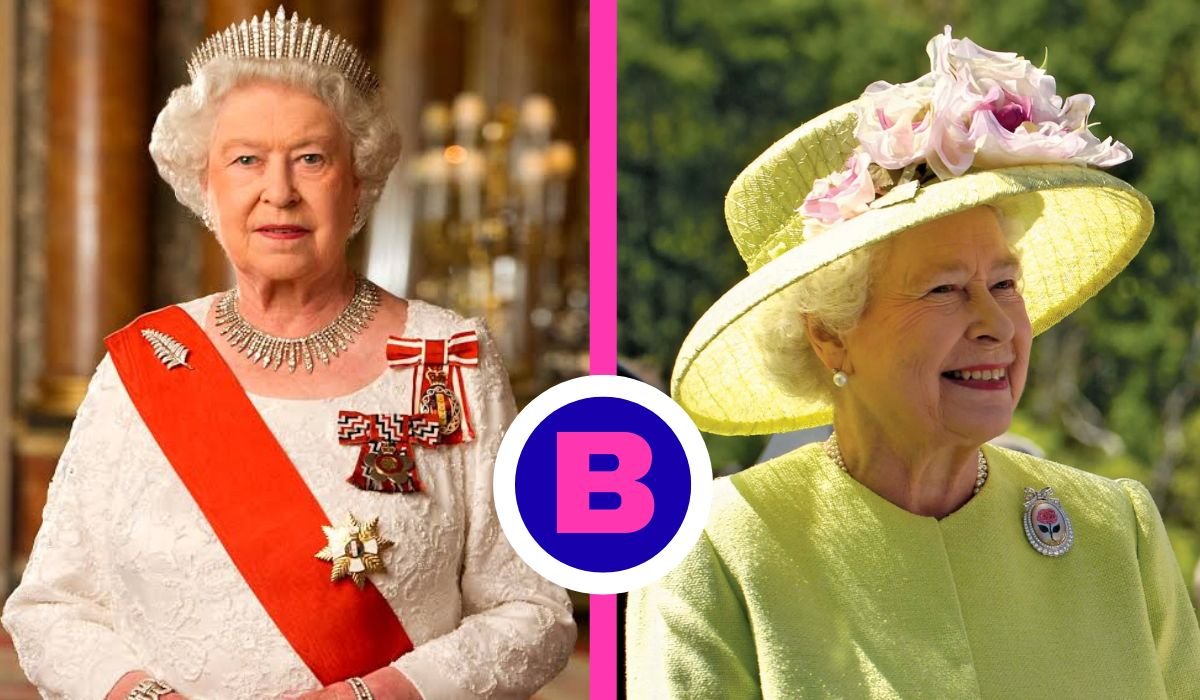
Queen Elizabeth Two was one of the most recognizable figures of the 20th and 21st centuries. Born in 1926, she unexpectedly became heir to the British throne after her uncle, King Edward VIII, abdicated in 1936. Just 16 years later, following the death of her father, King George VI, she became Queen at the age of 25. Her reign lasted from 1952 until 2022, covering more than seven decades of enormous political, social, cultural, and technological change. The Royal Family describes her as Britain’s longest-reigning monarch, and her public life was shaped by duty, constitutional responsibility, Commonwealth service, charity work, diplomacy, and family.
Quick Bio Information
| Biography Detail | Information |
|---|---|
| Full Name | Elizabeth Alexandra Mary Windsor |
| Known As | queen elizabeth two |
| Born | April 21, 1926 |
| Birthplace | Mayfair, London, England |
| Parents | King George VI and Queen Elizabeth |
| Sibling | Princess Margaret |
| Husband | Prince Philip, Duke of Edinburgh |
| Marriage | November 20, 1947 |
| Children | Four |
| Accession | February 6, 1952 |
| Age At Accession | 25 |
| Coronation | June 2, 1953 |
| Reign | 1952–2022 |
| Longest-Reigning British Monarch | Yes |
| Commonwealth Role | Head of the Commonwealth |
| UK Prime Ministers Served | 15 |
| Charitable Connections | More Than 500 Organizations |
| Died | September 8, 2022 |
| Age At Death | 96 |
queen elizabeth two Early Life
queen elizabeth two was born Princess Elizabeth Alexandra Mary at 2:40 a.m. on April 21, 1926, at 17 Bruton Street in Mayfair, London. She was the first child of the Duke and Duchess of York, who later became King George VI and Queen Elizabeth. At birth, she stood third in the line of succession, behind her uncle Edward, Prince of Wales, and her father. Her early childhood was relatively private compared with the extraordinary public life that would later define her. She spent time with her parents and younger sister, Princess Margaret, and visited family homes including Windsor Castle, Balmoral Castle, and Sandringham. Everything changed after the abdication of Edward VIII in December 1936. Her father became King George VI, and Elizabeth became the heir presumptive.
Elizabeth During World War II
The Second World War became an important part of Elizabeth’s development and helped establish her public image as a young woman willing to accept responsibility. During the war, the royal family remained in Britain, and Elizabeth made public broadcasts intended to encourage young people. She later became the first female member of the British Royal Family to serve as a full-time active member of the Armed Forces. In 1945, she joined the Auxiliary Territorial Service, where she trained as a driver and mechanic. Her wartime experience gave her a direct connection with the wider national effort and became part of the story of her preparation for public service. Her first solo public engagement had already taken place on her 16th birthday in 1942, when she inspected the Grenadier Guards at Windsor Castle.
queen elizabeth two And Prince Philip
Elizabeth’s relationship with Prince Philip became one of the central stories of her personal life. The two first met when Elizabeth was a child and met again in 1939 during a visit to the Royal Naval College at Dartmouth. Their relationship continued while Philip served with the Royal Navy during the war. Their engagement was announced in July 1947, and they married at Westminster Abbey on November 20 of that year. Their early married life included a period in Malta, where Philip served as a naval officer. They had four children: Charles, Anne, Andrew, and Edward. After Elizabeth became Queen in 1952, Prince Philip became her principal partner in public life, accompanying her on countless tours and ceremonies. The Royal Family records Elizabeth describing him as her “strength and stay” during their marriage.
Becoming queen elizabeth two
Elizabeth became Queen on February 6, 1952, after the death of her father, King George VI. She was in Kenya with Prince Philip during a Commonwealth tour when she received the news. The change was immediate: she ceased to be Princess Elizabeth and became queen elizabeth two. The royal tour was abandoned, and she returned to Britain. She was only 25 years old and suddenly responsible for the duties of the Crown. Her accession came during a period when Britain was still recovering from the Second World War and the global political landscape was changing rapidly. Her new role would require her to balance tradition with a rapidly modernizing society.
queen elizabeth two Coronation
queen elizabeth two coronation took place at Westminster Abbey on June 2, 1953, more than a year after her accession. The ceremony followed centuries of British coronation tradition but also introduced something distinctly modern: it was the first British coronation to be televised. Around 27 million people in the United Kingdom watched the ceremony live, while millions more listened on radio. Elizabeth took the coronation oath and was anointed and crowned during the ceremony. Prince Philip, as the husband of a reigning Queen, was not crowned as a king, but he paid homage to her during the service. The coronation established the ceremonial beginning of her reign and introduced the young monarch to a huge international audience.
queen elizabeth two Royal Duties
Understanding queen elizabeth two life requires understanding what a constitutional monarch actually does. She was Head of State rather than an elected political leader. Her official duties included receiving state papers, holding audiences with Prime Ministers, opening Parliament, undertaking state visits, appointing governments according to constitutional conventions, and giving Royal Assent to legislation. Parliament explains that the Crown forms an integral part of Parliament and that Royal Assent turns a Bill approved by Parliament into an Act of Parliament. During her reign, Elizabeth met her Prime Ministers regularly, usually each week, while maintaining political neutrality. The Royal Family states that she served 15 UK Prime Ministers, beginning with Winston Churchill in 1952.
queen elizabeth two And Her Prime Ministers
One remarkable feature of queen elizabeth two reign was the number of governments and Prime Ministers she saw come and go. Winston Churchill was the first Prime Minister she worked with, while Liz Truss was the final Prime Minister appointed during her reign. Across those seven decades, Britain experienced changes in political parties, economic conditions, social attitudes, and international relationships. The Queen’s weekly audiences with Prime Ministers were private constitutional meetings, and her position required her to remain above party politics. The House of Commons Library notes that the monarch’s role in appointing a Prime Minister operates within constitutional conventions, with the Sovereign normally appointing the person able to command the confidence of the House of Commons. Elizabeth’s long experience therefore gave her a unique perspective on successive governments while preserving the political neutrality expected of the Crown.
queen elizabeth two And The Commonwealth
The Commonwealth was one of the most important parts of queen elizabeth two international role. Commonwealth leaders recognized her as Head of the Commonwealth after the death of George VI. The organization changed dramatically during her reign as former British territories became independent states and joined a voluntary association of countries. By the end of her reign, the Commonwealth had 56 member countries and represented more than 2.5 billion people, according to the Royal Family. Elizabeth undertook more than 200 visits to Commonwealth countries and attended 22 Commonwealth Heads of Government Meetings. Her role was largely symbolic and unifying rather than executive, allowing her to maintain personal relationships with leaders and communities across a changing international organization.
A Monarch Who Traveled Widely
Travel became a defining feature of queen elizabeth two working life. She visited every region of the United Kingdom and traveled extensively overseas. During her reign, she visited more than 100 countries, and the Royal Family describes her as the most traveled British monarch up to that point. Her first official overseas tour came in 1947, when she traveled with her parents through southern Africa and celebrated her 21st birthday in South Africa. As Queen, she continued this pattern on a much larger scale. Official tours allowed her to meet political leaders, military personnel, community groups, young people, and ordinary citizens. They also helped demonstrate the personal side of a constitutional monarchy and maintain relationships across the Commonwealth.
queen elizabeth two Charities And Patronages
Public service was another major part of queen elizabeth two working life. The Royal Family says she was connected as Patron or President with more than 500 charities, professional bodies, and public-service organizations. These organizations covered a remarkably wide range of interests, including youth opportunities, wildlife, environmental protection, community work, and specialist professional causes. Her patronage did not mean that she personally managed these organizations. Instead, her association could provide visibility, recognition, and encouragement. The Queen’s Young Leaders programme, launched in 2014, was one example of her interest in young people who were addressing challenges within their communities. The programme provided recognition, training, mentoring, and networking opportunities to young leaders across the Commonwealth.
queen elizabeth two And The Armed Forces
queen elizabeth two had a close relationship with the Armed Forces throughout her life. Her own wartime service gave her personal experience of military life, while her position as monarch placed her at the center of many military and ceremonial traditions. As Head of the Armed Forces, she maintained links with naval ships, Army regiments, and Air Force squadrons. She regularly attended Remembrance events and military ceremonies, while members of the Armed Forces took part in important royal occasions. This connection also extended throughout her realms. Her military role was primarily constitutional and ceremonial, but it remained an important part of the public identity of the Crown and of Elizabeth’s relationship with generations of service personnel.
queen elizabeth two And The Honours System
Another important responsibility was recognizing achievement through the British honours system. During her reign, Elizabeth presented honours including MBEs, OBEs, and CBEs to people recognized for merit, service, achievement, or bravery. The recommendations were made through government processes, while the Queen and other members of the Royal Family presented many of the honours at ceremonies. Elizabeth also hosted garden parties at Buckingham Palace and the Palace of Holyroodhouse, along with receptions and other events where she could meet people who had contributed to public life. Her approach reflected an interest in recognizing not only famous individuals but also people whose important work might otherwise remain largely unnoticed.
Queen Elizabeth II’s Family And Faith
Family and Christian faith were important themes throughout Queen Elizabeth II’s life. She and Prince Philip raised four children, and their family eventually expanded to include grandchildren and great-grandchildren. In her later years, younger members of the Royal Family increasingly assisted with official engagements and represented her at events. Following Prince Philip’s retirement from public duties, the then Prince of Wales accompanied the Queen at events including the State Opening of Parliament and Commonwealth meetings. Her Christian faith was also visible in her Christmas broadcasts, where she frequently reflected on themes of service, forgiveness, peace, compassion, and reconciliation. Rather than treating faith as a private detail, Elizabeth often presented it as a source of personal perspective and guidance.
Queen Elizabeth II’s Jubilees And Historic Milestones
Queen Elizabeth II’s seven decades on the throne produced an extraordinary series of milestones. She celebrated her Silver Jubilee in 1977, Golden Jubilee in 2002, Diamond Jubilee in 2012, and Platinum Jubilee in 2022. On September 9, 2015, she became Britain’s longest-reigning monarch, surpassing the previous record held by her great-great-grandmother, Queen Victoria. In 2022, she became the first British monarch to celebrate a Platinum Jubilee, marking 70 years since her accession. These anniversaries were not simply personal milestones; they became major public occasions that brought together communities across Britain and the Commonwealth.
Queen Elizabeth II’s Final Years And Death
Elizabeth remained involved in public life into her nineties, although other members of the Royal Family increasingly carried out engagements on her behalf. Her final major national celebration was the Platinum Jubilee in 2022. In September of that year, the Queen was at Balmoral Castle in Scotland, where she died on September 8, 2022, aged 96. Her death brought an end to a reign that had lasted more than 70 years. Her son Charles immediately became King Charles III under the constitutional principle that the monarchy passes at the moment of the previous monarch’s death. A state funeral followed on September 19, 2022, drawing enormous public attention and marking the formal end of the Elizabethan era.
Final Thoughts On Queen Elizabeth II’s Legacy
Queen Elizabeth II’s life cannot be understood through a single achievement. Her historical importance came from the extraordinary length and breadth of her public service. She became Queen at 25 and remained on the throne through a period that saw the rise of television, the arrival of the internet, the first Moon landing, the end of the Cold War, major changes in the Commonwealth, and profound changes in British society. She served with 15 UK Prime Ministers, traveled extensively, supported hundreds of organizations, maintained a visible connection with the Armed Forces, and represented the Crown at countless national and international events. Her reign also took place during continuing debates about the monarchy, Britain’s constitutional system, and the legacy of empire. That broader historical context is important when studying Queen Elizabeth Two today. Her seven-decade reign was not simply a long period on the throne; it was a window into enormous changes in Britain and the wider world.
FAQs About queen elizabeth two
When Did Queen Elizabeth II Become Queen?
Queen Elizabeth II became Queen on February 6, 1952, following the death of her father, King George VI. She was in Kenya on a Commonwealth tour with Prince Philip when she received the news. She was 25 years old at the time. Her formal coronation took place more than a year later, on June 2, 1953, at Westminster Abbey.
How Long Did Queen Elizabeth II Reign?
Queen Elizabeth II reigned from February 6, 1952, until her death on September 8, 2022. Her reign lasted more than 70 years, making her the longest-reigning monarch in British history. She surpassed Queen Victoria’s previous record on September 9, 2015.
Who Was Queen Elizabeth II’s Husband?
Queen Elizabeth II was married to Prince Philip, Duke of Edinburgh. They married at Westminster Abbey on November 20, 1947, and remained married for more than 73 years until Philip’s death in 2021. He supported the Queen throughout decades of public duties and accompanied her on many official visits.
How Many Children Did Queen Elizabeth II Have?
Queen Elizabeth II and Prince Philip had four children: Charles, Anne, Andrew, and Edward. Charles later became King Charles III after Elizabeth’s death. Their children and grandchildren increasingly supported the Queen with public duties as she grew older.
How Many Prime Ministers Served Queen Elizabeth II?
Fifteen UK Prime Ministers served during Queen Elizabeth II’s reign, beginning with Winston Churchill in 1952. Her final Prime Minister was Liz Truss, who met the Queen at Balmoral shortly before Elizabeth’s death. Her weekly audiences with Prime Ministers were an important part of her constitutional role.
What Was Queen Elizabeth II’s Role In The Commonwealth?
Queen Elizabeth II served as Head of the Commonwealth from 1952 until her death. The position was symbolic and unifying rather than an executive office. During her reign, the Commonwealth changed substantially and expanded to 56 member countries. Elizabeth undertook more than 200 visits to Commonwealth countries and maintained regular contact with Commonwealth leaders.
When Did Queen Elizabeth II Die?
Queen Elizabeth II died on September 8, 2022, at Balmoral Castle in Scotland. She was 96 years old. Her death ended a 70-year reign and was followed by the accession of her eldest son, Charles, who became King Charles III.
Why Is Queen Elizabeth II Historically Important?
Queen Elizabeth II is historically important because she became Britain’s longest-reigning monarch and remained Head of State through more than seven decades of major change. Her life combined constitutional duties, international travel, Commonwealth service, charitable patronage, military traditions, diplomacy, and family responsibilities. Her reign also provides an unusually long perspective on the transformation of Britain and the Commonwealth during the modern era.
Learn more and explore exciting content on: Osimhen: Biography, Career, Family, Achievements, and Life Story







Leave a Reply